

Newfoundland Cholesterol Self-Test Kit | Home Use Kit
£13.00
Skip to product information


Newfoundland Cholesterol Self-Test Kit | Home Use Kit
£13.00
Pickup available at The Wellness Store®
Usually ready in 1 hour
Estimated delivery is between Thursday, 29 Oct and Saturday, 31 Oct if you order right now anywhere in the United Kingdom
Product Features
Description
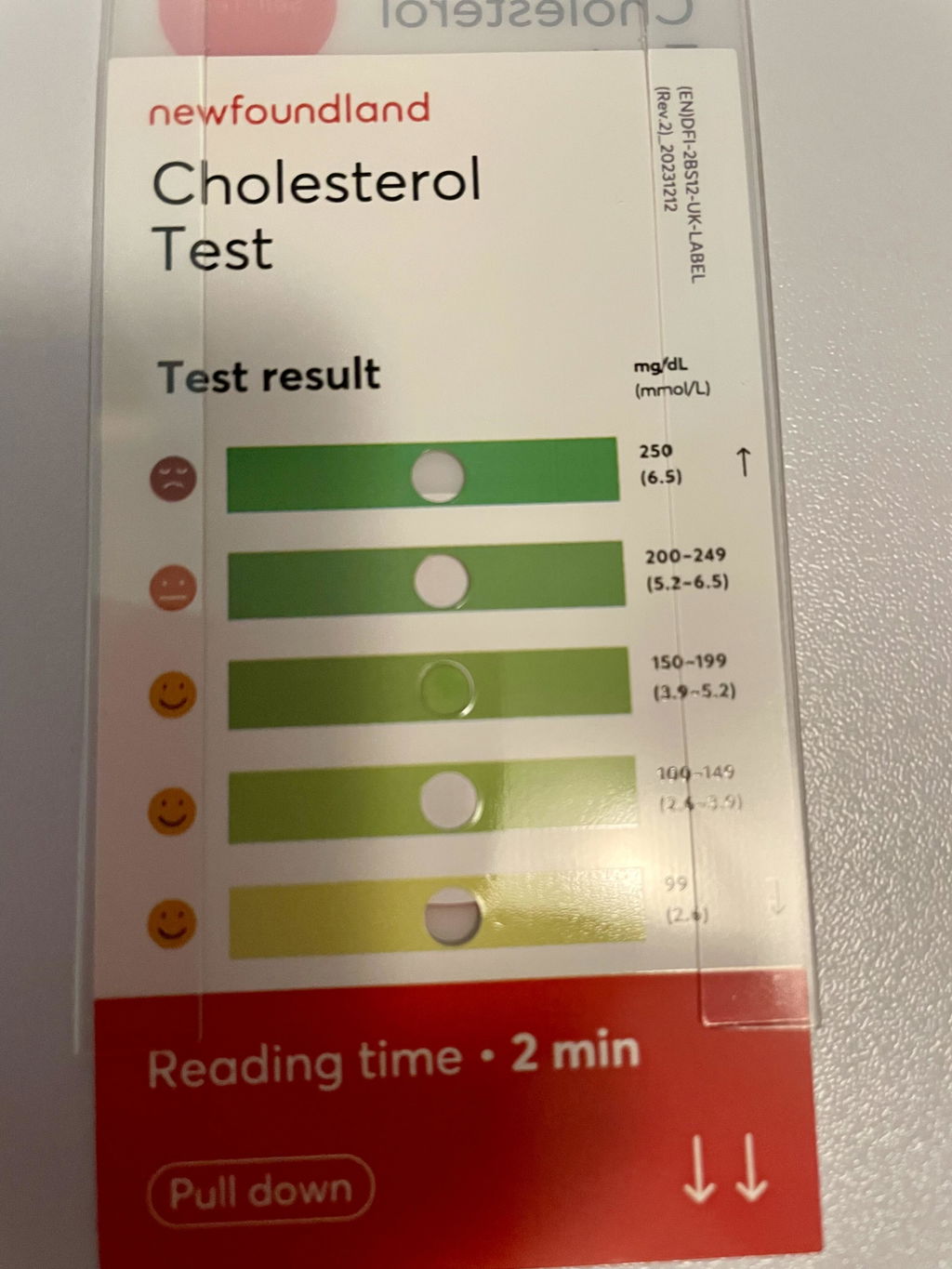
Newfoundland Cholesterol Self-Test Kit is designed for convenient use at home.
This kit includes components intended for personal use and is suitable for individuals who prefer simple, at-home monitoring options as part of their routine.
All necessary items are included for easy use, with clear instructions provided.
This product is intended for personal use only and should not be considered a replacement for professional advice.
Ingredients
How to Use
Frequently Asked Question
Let’s Talk Wellness
Have a question about a product, need a recommendation, or just want to chat about your health goals? We’re real people who love to help.
Simple answers. No pressure. Just good vibes and better wellness.

